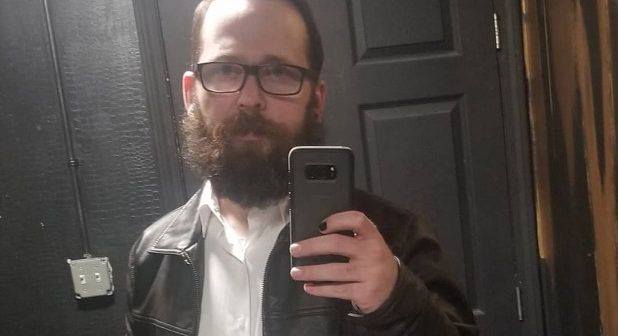
The death of Ronnie McNutt remains one of the most widely discussed and distressing examples of how mental health struggles can intersect with the reach of social media. The Army veteran died after a self-inflicted gunshot during a livestream on Facebook, an event that was witnessed in real time by friends, family members, and viewers online.
The incident, which drew widespread attention, highlighted the devastating reality of untreated emotional pain and the urgency of mental health awareness. Many who knew Ronnie described him as someone who had served his country and later faced personal challenges, including the difficulty of transitioning back to civilian life. His death left loved ones not only grieving but also grappling with the trauma of witnessing such a moment unfold publicly.
The case also raised serious concerns about how social media platforms respond to crisis situations. Questions emerged about content moderation, response times, and what safeguards should be in place to prevent the spread of such harmful material. In the aftermath, discussions intensified around the responsibilities of tech companies in identifying and intervening during potentially life-threatening broadcasts.
Beyond the digital aspect, Ronnie McNutt’s story became a painful reminder of the importance of checking in on those around us. Mental health struggles are often invisible, and many individuals suffer in silence. His passing prompted calls for greater access to support systems, stronger community awareness, and more open conversations about emotional well-being.
While the circumstances of his death were deeply tragic, many advocates have urged that his story be remembered as a call to action—one that emphasizes compassion, vigilance, and the importance of reaching out.
If you or someone you know is struggling, support is available through local crisis lines and mental health professionals. Speaking to someone can make a difference, even in the darkest moments.